
Safety should be a top concern for any company that is genuinely concerned for the wellbeing of their employees, not to mention for the company’s overall bottom line. But the argument for a solid workplace safety program can vary depending on who you ask. Someone from legal or accounting might cite the need to reduce costs from potential litigation while employees say they would simply like to finish their day and return home without injuries.
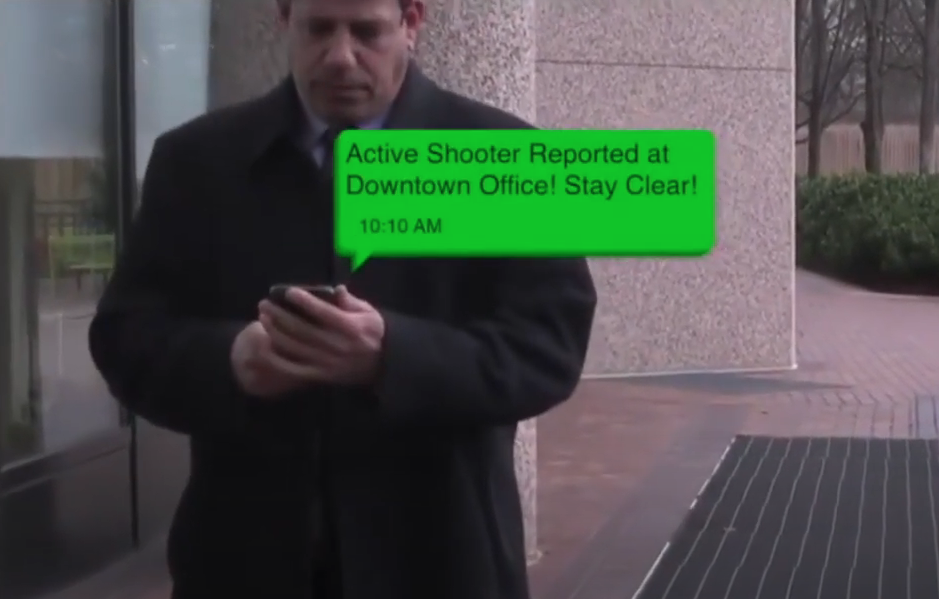
What can you do to protect your workers from an active shooter event? In addition to partnering with local law enforcement, employers have a duty to care for and protect their employees. Processes and procedures are needed to help identify and prevent acts of violence in the workplace and to save lives when one does occur.
Intertek Alchemy sat down with Susan Schneider, Branch Chief of Active Assailant Security DHS Cybersecurity and Infrastructure Security Agency (CISA), to learn how to create an active shooter preparedness program that protects and saves lives.
Topics: Workplace Safety Tips
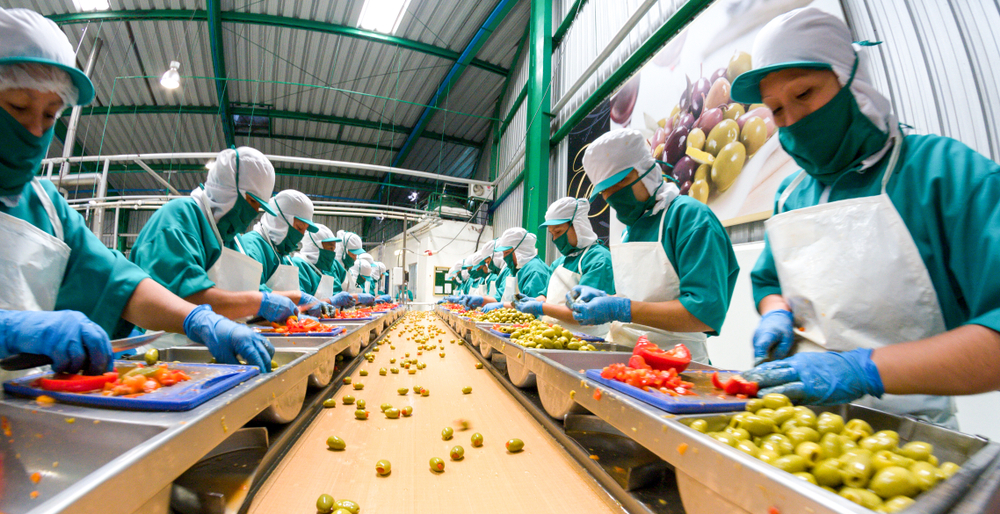
As we begin to see the light at the end of the tunnel of a disastrous year, one challenge refuses to go away. And that’s the continued threat of unsafe and contaminated food supplies.
Even with the stringent national and global regulations, we continue to see unsafe foods percolate throughout what we put on our tables and serve in restaurants. We’ve all seen the disturbing statistics. According to the World Health Organization, one in 10 people are sickened by eating food processed or prepared by others. And 420,000 people die each year from food-borne illness.
Topics: Workplace Safety Tips
Recently I joined a group of manufacturing professionals to share tips on building and maintaining infectious disease and response plans during the COVID-19 pandemic. As usual, the conversation turned to masks. Are they still a requirement at work or not?
Topics: Workplace Safety Tips
On his full first day of public office, President Joe Biden issued a flurry of executive orders affecting a broad range of issues, including how U.S. companies protect workers against exposure to COVID-19. As a result, the Occupational Safety and Health Administration (OSHA) issued new guidance on Jan. 29, 2021 for workplace safety around the pandemic, which could become part of an Emergency Temporary Standard (ETS) by March 15th.
Topics: Workplace Safety Tips, OSHA, Training Best Practices
In a previous blog, we discussed the most common challenges and roadblocks to developing workplace safety programs, as revealed by Intertek Alchemy’s first annual State of Workplace Safety Training report.
Common Challenges and Roadblocks to Developing Meaningful Workplace Safety Training
Posted by Intertek Alchemy
Workplace safety training remains a top priority for manufacturing companies that understand the importance of keeping their employees safe and protecting their bottom line.
Intertek Alchemy has just released its first State of the Workplace Safety Training report, looking at the most significant challenges companies face when developing and implementing safety training programs, and shedding light on best practices that help make training more effective.
As part of this extensive study, we surveyed more than 1,100 professionals in EH&S, HR, operations, and plant supervisors representing more than 4,400 worksite facilities. We partnered with an outside agency to help conduct the survey and independently validate the findings.
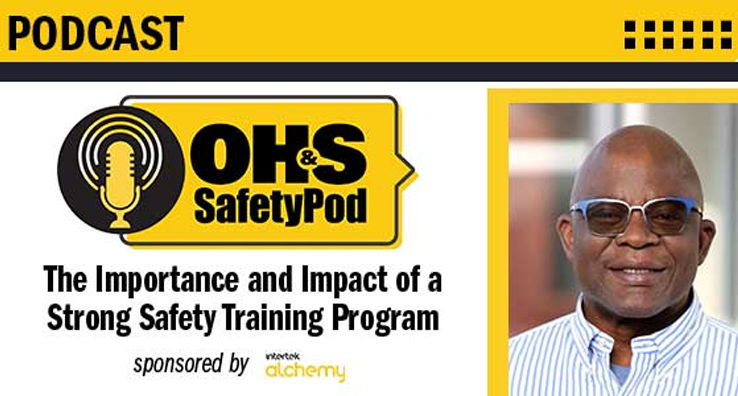
The Importance and Impact of a Strong Safety Training Program
Posted by Dante Dominick, Marketing Director
Setting expectations and standards through a strong safety training program is one of the best ways to create a safe working environment. In this episode, OH&S Editor Sydny Shepard sits down with Earl Johnson, Director of Safety at Tyson Foods, to discuss the impact and importance of implementing a training program that works for leadership and employees.
Why is having or establishing a strong health and safety program of such crucial importance? Well, put simply: human consequences!
Topics: Workplace Safety Tips, Compliance Matters
After our last blog post on this topic, we saw an uptick in COVID-19 related questions, understandably. Today I will be addressing one of the more common ones: whether illnesses caused by the virus are recordable or reportable. I’ve included a link below to the latest enforcement guidance memo from OSHA which describes what we need to do to determine work-relatedness.
I will also discuss additional aspects of your safety programs that you might want to review in light of this current pandemic and future ones. As you read, please keep in mind that the CDC has different COVID-19 reporting requirements for healthcare providers, so if you're in the healthcare industry, please review those.
Topics: Workplace Safety Tips, Compliance Matters
As an EHS consultant, I’m used to fielding questions on OSHA requirements, but since the beginning of the pandemic the amount has increased exponentially. With that in mind, I’m offering guidance on implementing workplace health and safety hazard processes as it relates to COVID-19.
Topics: Operational Tactics, Workplace Safety Tips, Compliance Matters
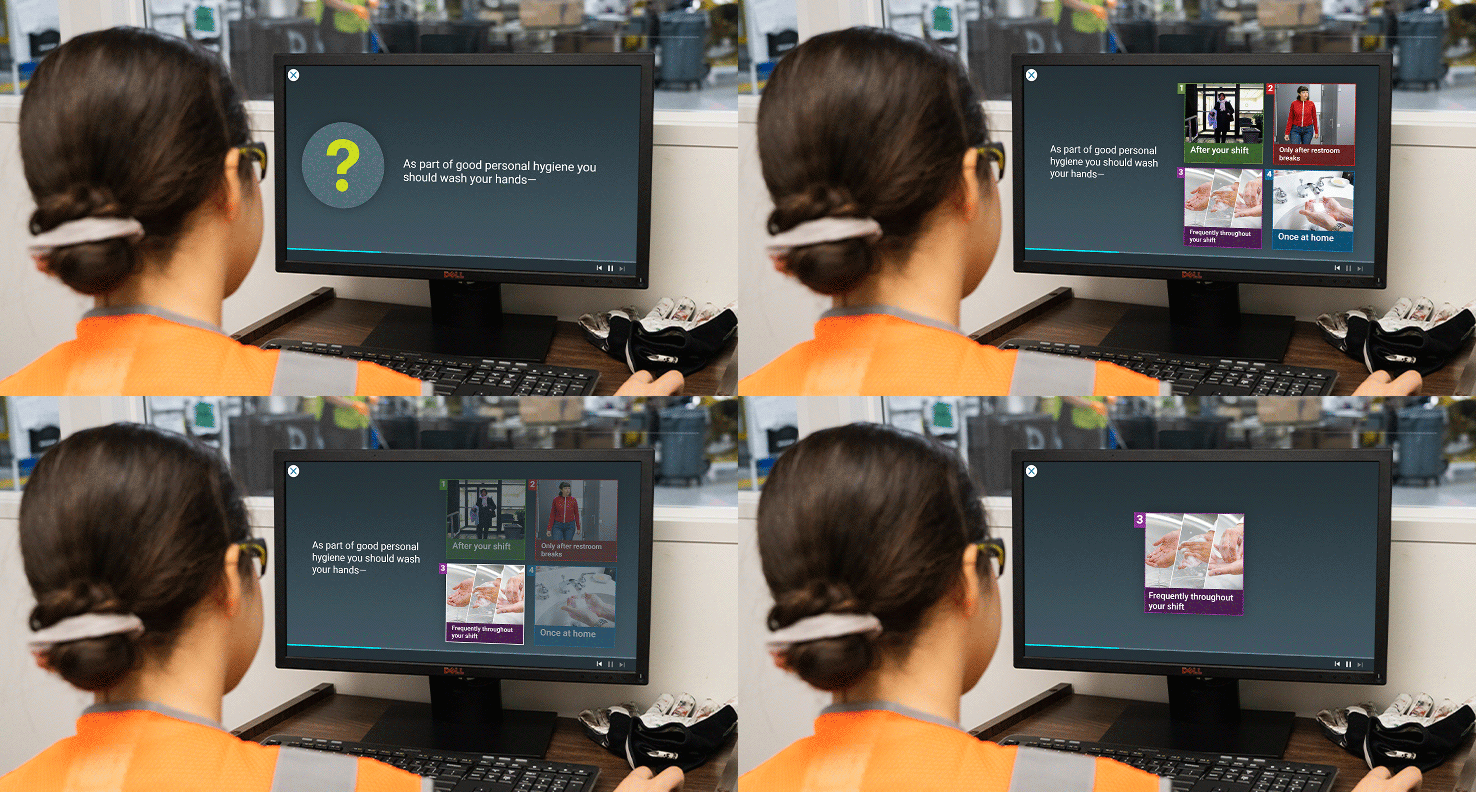
The COVID-19 pandemic continues to upend the traditional manufacturing environment. As mandates require organizations to practice social distancing in their facilities, many manufacturers are struggling with how they can safely provide critical workplace training to their frontline employees.
The food processing and manufacturing world is currently in an especially precarious position in this pandemic, as workers often interact in close quarters, and social distancing isn’t always possible. And staying home to flatten the curve (which works!) isn’t always feasible since food, and its production, is essential.
At this point in time, we have enough data to support that the coronavirus is not transmitted via food. It’s an upper respiratory infection — in order to become infected, it has to get transmitted from either an infected individual through microdroplets, or from touching a dirty surface, then transferring the virus by touching your mouth, eyes, or nose.
Topics: Operational Tactics, Workplace Safety Tips
During the second installment of our Covid Communications webinar series, Intertek Alchemy joined forces with Julie Keich and Lynn Costanza of Campbell’s Snacks to highlight how one company in the food manufacturing and processing industry is navigating the “new normal”.
Topics: Operational Tactics, Workplace Safety Tips