Feb 28 2019
Feb 28 2019
When it comes to food manufacturing, the pet food industry isn’t always in agreement on how to properly test and inspect pet food products. While it’s true that pets aren’t people (although some might argue with that!) it’s still critical to reduce the number of pet food recalls that have been steadily rising in recent years. Setting standardized industry guidelines that improve safety in pet food manufacturing can do much to reduce pet illnesses and fatalities due to foodborne illness.
Continue Reading →
Topics:
Food Safety Insights,
Training Best Practices
Feb 13 2019
Feb 13 2019
Food safety is more important than ever — and not following proper protocol can lead to lives lost, not to mention hurt profits, tarnished brands, and low consumer trust. The new SQF Fundamentals Code outlines 6 common causes of food safety hazards to watch out for and account for in your food safety plan. Learn how to spot if they apply to you, and how to implement a solution before you risk failing an audit, or worse, compromising consumers’ safety. For more on the new SQF Fundamentals Code, watch the full webinar with SQFI.
Continue Reading →
Topics:
Food Safety Insights,
Compliance Matters
Dec 11 2018
Dec 11 2018
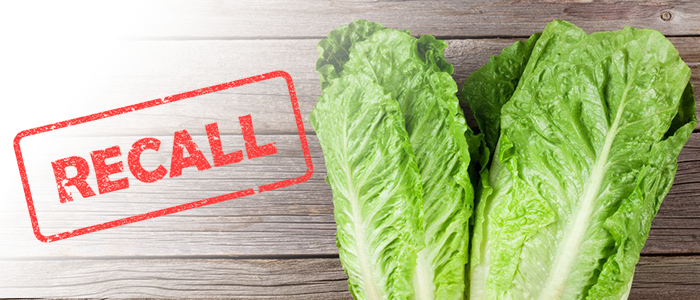
2018 has been the year of the Good, the Bad and the Ugly in the food industry. The Ugly is still going on right now with the two major foodborne illness outbreaks and product recalls plaguing the industry. The Center for Disease Control (CDC) advises not to serve or sell any Romaine Lettuce contaminated with E. Coli O157:H7 from the Central Coastal growing regions of North and Central California. This outbreak has resulted in 52 cases in 15 states with 19 hospitalized and two of the 19 experiencing kidney failure. The CDC expects these numbers to rise as more cases are brought to light.
Continue Reading →
Topics:
Food Safety Insights,
Compliance Matters
Aug 31 2018
Aug 31 2018
Protein processing may face more challenges than any other food sector. Meat and poultry account for the largest segment of U.S. agriculture, according to NAMI. With more pressures on the meat industry, it can feel like a juggling act keeping up with competing interests – animal welfare, dangerous micro-organisms, sustainability, and safety – while still meeting production goals. While it may present a challenge, it’s not impossible.
Continue Reading →
Topics:
Food Safety Insights,
Operational Tactics
Aug 30 2018
Aug 30 2018
According to the Global Food Safety Initiative’s (GFSI)’s new guidance document, a strong food safety culture depends on five key dimensions. Our recent webinar covers these dimension in depth and gives strategies on how to align your food culture to GFSI’s goals. Below industry experts Laura Nelson of Alchemy, Dr. Lone Jespersen of Cultivate, and Andrew Clarke of Subway Sandwiches answers some of your additional questions regarding GFSI and food safety culture.
Continue Reading →
Topics:
Food Safety Insights,
Compliance Matters
Aug 7 2018
Aug 7 2018
Food companies, take note of an important deadline: September 17th is the final date for all facilities to meet PCQI requirements.
As a refresher, FSMA’s Final Rule for Preventive Controls for Human Food requires every food facility to have competent Preventive Controls Qualified Individuals (PCQIs) write or perform reanalysis on their Food Safety Plan. While the PCQI requirement isn’t exactly “new,” (the bill was signed into law in 2015 and rollouts have been happening for the past two years, according to company size), the upcoming September date is the final deadline for all businesses to comply, including small businesses with fewer than 500 full-time employees.
Continue Reading →
Topics:
Food Safety Insights
May 18 2018
May 18 2018
Not everyone in the food industry works in communications. However, it's important and useful that everybody in your company has a clear understanding of all roles during a crisis — because crisis situations are not easy. Stress levels are high, and things are moving quickly, so the more clarity that we can bring in advance of a crisis, the better.
Continue Reading →
Topics:
Food Safety Insights
May 8 2018
May 8 2018
The food industry has seen significant fallout amid recent widely publicized foodborne illness outbreaks and recalls related to romaine lettuce and shell eggs. In USDA regulated facilities, there have been 6 recalls in the past month. Four of these were related to foreign matter contamination, one for E. Coli O157:H7 contamination and one for processing deviations.
Continue Reading →
Topics:
Food Safety Insights,
Compliance Matters
Mar 14 2018
Mar 14 2018
Imagine three frontline workers: Jack, Mary, and Joe. It’s Jack's first week on the job. He goes through a day of intense onboarding training that includes everything from bathroom locations, to HR policies, to safety training. He is overwhelmed and really doesn't have all the knowledge or confidence he needs, and so he is uninformed. If a food safety decision comes up, he doesn’t know the right decision. He needs more training, experience and coaching to become a food safety expert for his job responsibilities.
Continue Reading →
Topics:
Food Safety Insights,
Training Best Practices
Feb 23 2018
Feb 23 2018
The GFSI conference is right around the corner — this March in Tokyo! This annual event draws over 1000 food safety professionals from over 60 countries. Participants discuss upcoming trends, scientific information, and new requirements for future GFSI benchmarking standards. This year’s conference will focus on successful implementation strategies for GFSI systems.
Continue Reading →
Topics:
Food Safety Insights,
Compliance Matters
Feb 21 2018
Feb 21 2018
What do people mean by “clean label?” The industry refers to "clean label," but the reality is consumers don't often use that term. What consumers are looking for in food products is transparency, and that includes simple ingredient lists with recognizable ingredients. After all, how many of you have heard this advice in health magazines and lifestyle blogs: "Don't eat it if it has something in it that you can't pronounce."
Continue Reading →
Topics:
Food Safety Insights,
Training Best Practices,
Compliance Matters
Jan 31 2018
Jan 31 2018
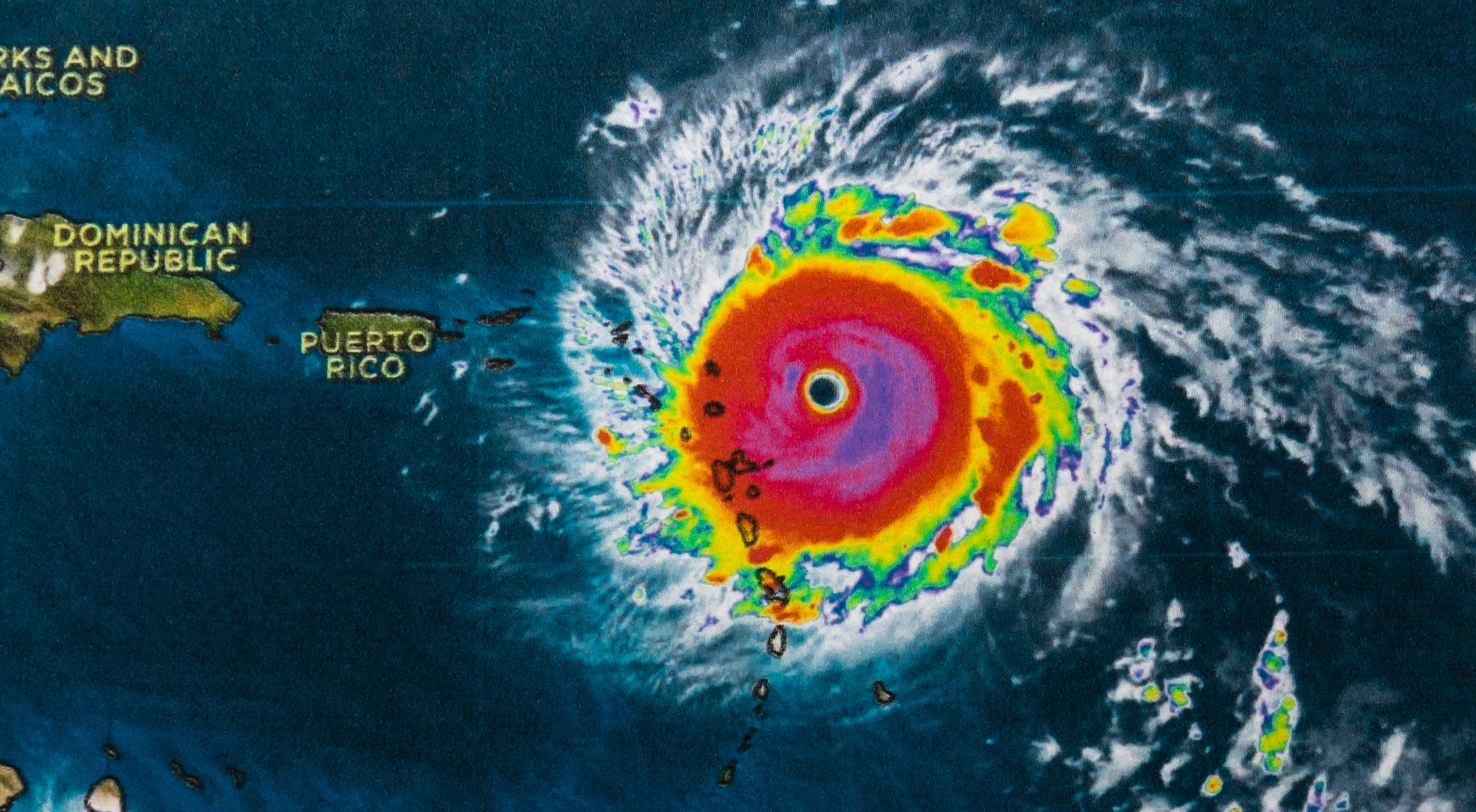
With significant environmental impacts in the last year made from hurricanes Harvey and Irma, and problematic weather ahead, it’s imperative to have an emergency action plan in place. In fact, OSHA requires all workplaces with more than 10 employees to develop a written Emergency Action Plan (EAP) that identifies and coordinates necessary employer and employee actions during an emergency.
Emergencies have been happening for centuries. Here’s a brief look at a few incidents from history, reasons why companies need emergency action plans, and how to train your frontline workforce to take smart action in the face of danger.
Continue Reading →
Topics:
Food Safety Insights,
Workplace Safety Tips
Dec 18 2017
Dec 18 2017
The popularity of variety and artisan bread has been on a steady rise for the past several years, due to consumer expectations and their growing interest in health trends. Because the process of producing variety and artisan bread differs from pan bread, training for baking professionals is paramount. David Bauman, Baking Professional for AIB International who specializes in bread and rolls, explains how learning the art of popular variety and artisan bread will help companies capture a valuable market.
Continue Reading →
Topics:
Food Safety Insights,
Operational Tactics
Dec 13 2017
Dec 13 2017
Food manufacturing can be a grind… especially in milling. Yet recent wins in the industry make it all worth it. Consumers are snack-happy, so demand for savory treats, sweets, and baked goods is on the rise. Alternative flours are also ubiquitous. Thanks to the gluten-free craze, nut flours and non-traditional flours like sorghum and spelt are working their way into foods worldwide. And we can finally kiss the low-carb craze goodbye. These days, whole grains are considered essential to a healthy diet, including rice and corn, with more emphasis on nutrition rather than elimination. With the new nutritional focus comes the opportunity to add fortifications to flours and grains, which proves successful in differentiation, as well as in marketing.
Continue Reading →
Topics:
Food Safety Insights,
Workplace Safety Tips